Mesothelioma: What Is Malignant Mesothelioma Cancer?
Mesothelioma
Mesothelioma is a malignant tumor that is caused by inhaled asbestos fibers and forms in the lining of the lungs, abdomen, or heart. Symptoms can include shortness of breath and chest pain. The life expectancy for most mesothelioma patients is approximately 12 months after diagnosis. Treatment may improve prognosis and can include surgery, chemotherapy, or radiation.
What Is Mesothelioma?
Mesothelioma is an incurable, asbestos-related cancer that typically affects the lining of the lungs. However, mesothelioma tumors can develop in the lining of the abdominal cavity or heart.
KEY FACTS ABOUT MESOTHELIOMA
- More than 3,000 cases of mesothelioma are diagnosed yearly in the United States.
- Pleural mesothelioma accounts for 75% of cases.
- The average age of mesothelioma patients is 69.
- Men represent the majority of mesothelioma diagnoses.
- The average life expectancy for mesothelioma patients is 12 to 21 months.
Mesothelioma Symptoms
Symptoms of mesothelioma appear when tumors spread, grow and press against the chest wall and the abdominal cavity. Chest pain and shortness of breath are the most common symptoms.COMMON MESOTHELIOMA SYMPTOMS
- Dry coughing
- Shortness of breath
- Respiratory complications
- Pain in the chest or abdomen
- Fever or night sweats
- Pleural effusion (fluid around the lungs)
- Fatigue
- Weakness in the muscles
Diagnosing Mesothelioma
A biopsy is the only mesothelioma test that confirms a diagnosis. Doctors may use additional diagnostic procedures. An early mesothelioma diagnosis may increase a patient’s eligibility for all treatment options.
Imaging Scans
Most people initially undergo a basic chest X-ray to check for any abnormalities. If an abnormal growth or fluid around the lung is detected, doctors will recommend a more detailed imaging scan such as a PET scan, CT scan or MRI.
Biopsies
If cancer is suspected, doctors will recommend taking a sample of tissue, also knowns as a biopsy. Doctors use this tissue sample to definitively confirm the presence of malignant mesothelioma cells.
Blood Tests
Blood tests may be used but do not confirm the presence of mesothelioma. Researchers are evaluating if blood tests can aid in the early diagnosis of at-risk former asbestos workers.
Staging
Doctors use at least five staging systems to stage pleural mesothelioma. The IMIG staging system is preferred. No universal staging system exists for the other mesothelioma types.Mesothelioma Causes
Asbestos exposure is the primary cause of mesothelioma. People exposed to asbestos at home, work or in the military have a higher risk of developing the disease.HOW MESOTHELIOMA DEVELOPS
 A person inhales or swallows microscopic airborne asbestos fibers.
 The asbestos fibers become lodged in the lining of the lungs, abdomen or heart.
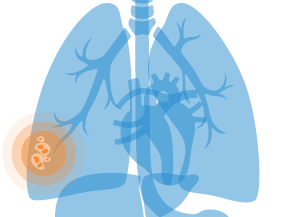 Embedded fibers damage mesothelial cells and cause inflammation.
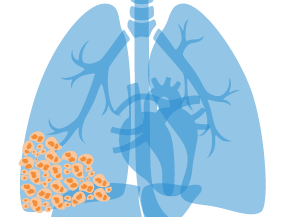 Over time, tumors form on the damaged mesothelium, leading to mesothelioma.
eople Most at Risk of Developing Mesothelioma
People most at risk of developing mesothelioma handled asbestos for a prolonged period of time or were exposed to large amounts of asbestos as part of their career.Secondhand exposure is also common, especially among the spouses and children of people who worked with asbestos.Blue-Collar Workers
Firefighters, construction workers, power plant workers, shipyard workers and others are among these types of workers.Veterans
U.S. Navy veterans are most at risk. Army, Marine Corps, Air Force and Coast Guard veterans also face health risks.Family Members
Spouses, children and others who lived with a person who was regularly exposed to asbestos fibers are at risk.Stages of Mesothelioma
The stages of mesothelioma range from 1 to 4 and are based on tumor size and location.Early-stage mesothelioma is usually more confined to one site, while late-stage mesothelioma shows tumors spreading beyond the chest or abdominal cavity. Staging is an important part of determining treatment.Pleural Mesothelioma
- 75% of cases
- Forms on soft tissue covering the lungs
- Best treated with a multimodal approach

Peritoneal Mesothelioma
- Less than 20% of cases
- Develops on lining surrounding the abdomen
- Responds best to a combination of surgery and heated chemotherapy

Pericardial Mesothelioma
- 1% of cases
- Forms on soft tissue around the heart
- Best treated with a multimodal approach

Testicular Mesothelioma
- Less than 1% of cases
- Develops on the lining of the testes
- Responds best to surgery
Mesothelioma Cell Types
There are three cell types of mesothelioma named for the cancer cells found in the tumors: Epithelioid, sarcomatoid and biphasic. Some are more common and respond well to treatments. Others are rarer and more resistant to therapies.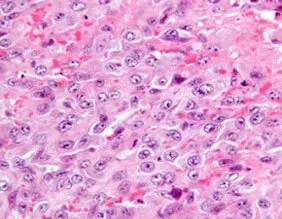
Epithelioid
These cells are the most responsive to treatment. This type of mesothelioma accounts for 70% of mesothelioma diagnoses. It also leads to improved prognosis and life expectancy.Read More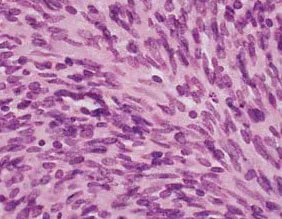
Sarcomatoid
Cells of this type are least responsive to treatment. Patients with these cell types have poorer diagnoses and shorter life expectancies. This mesothelioma type accounts for 10% of all cases.Read More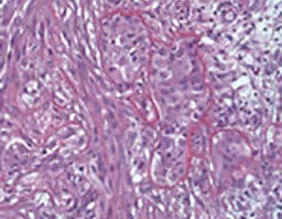
Biphasic
This is a combination of epithelioid and sarcomatoid cells. It’s less responsive to treatment. Prognosis and life expectancy depend on the ratio of both cell types. It accounts for 30% to 40% of cases.Read More

Comments
Post a Comment